A lot of working conversations happen in environments that are curated for efficiency.
Meeting rooms, video calls, structured agendas, they’re built to move things forward, make decisions, and reach outcomes within a defined window of time. That structure is useful, but it also shapes how people communicate in ways that often go unnoticed. On a ride, those same conversations tend to unfold differently.
The setting removes the need to perform
In a meeting, there’s an awareness of how you’re coming across. You’re conscious of when to speak, how your point lands, and how the conversation is progressing. Even in relaxed discussions, there’s a subtle sense that you’re contributing something that needs to be clear, useful, or well-formed.
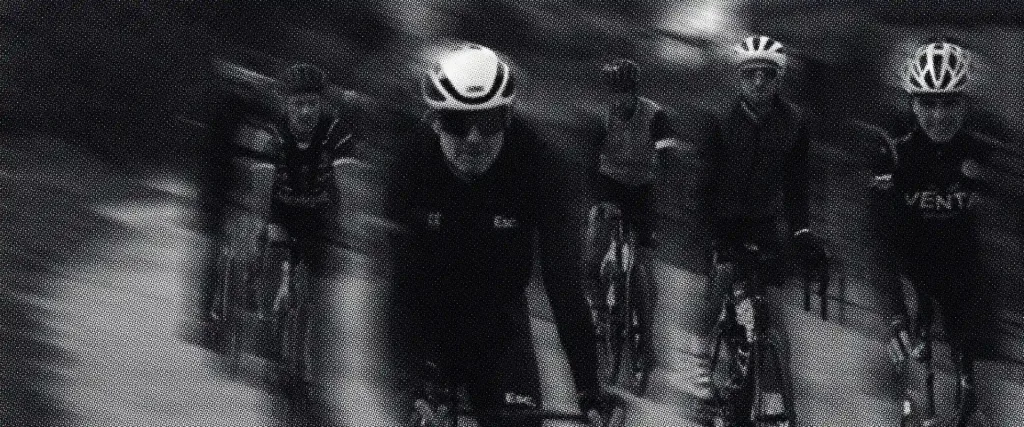
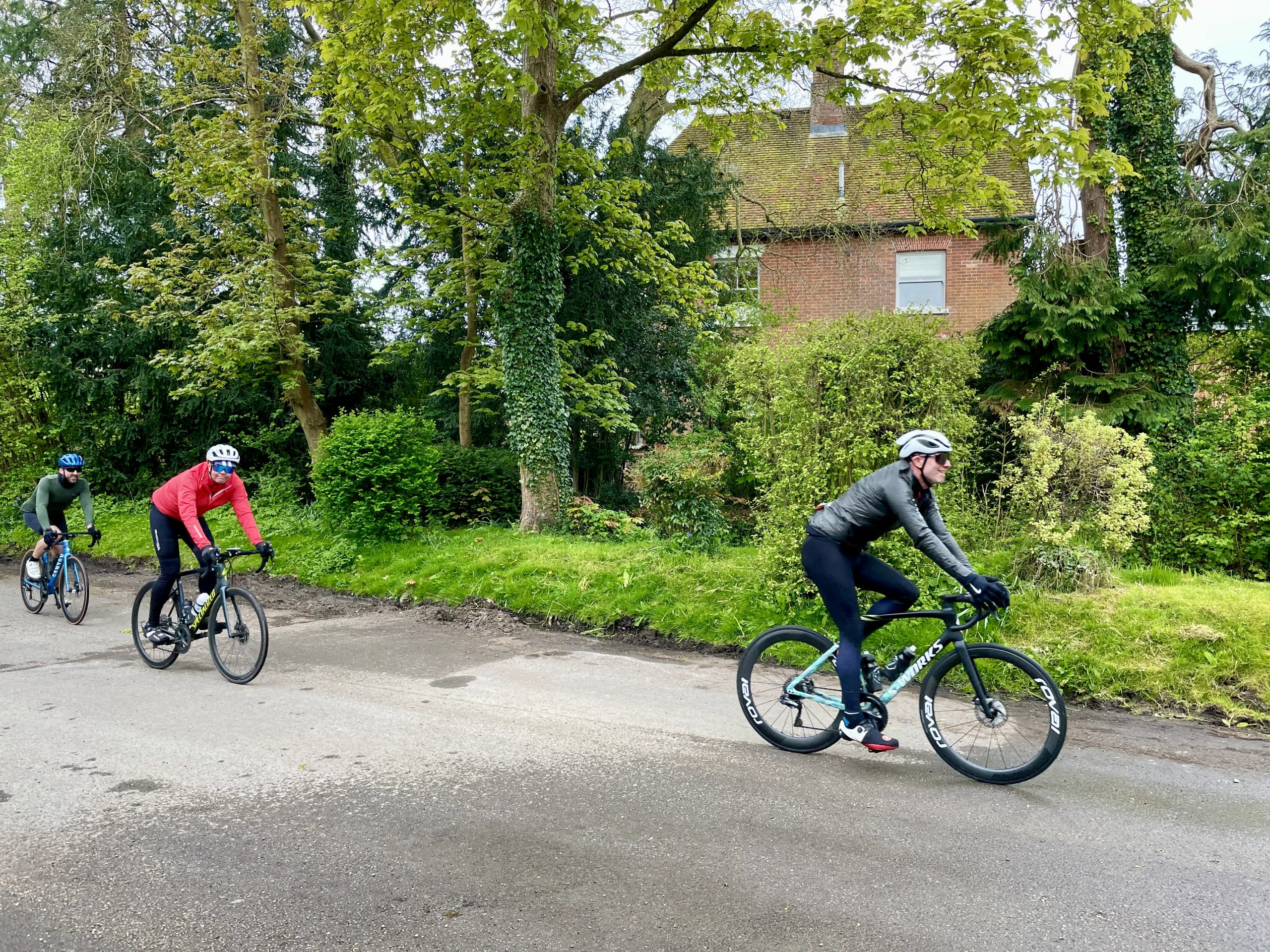
Pressure like that doesn’t exist in the same way on the bike. You’re not sitting opposite someone, holding eye contact, or waiting for your turn to speak. You’re moving alongside each other, often looking ahead, with the conversation sitting more loosely in the space around you. It changes the tone.
Riders will likely speak more freely, without shaping every thought before they say it. The conversation becomes less about delivering a point and more about exploring it.
Listening becomes more natural
Another difference is how people listen. In more structured environments, listening is tied to response. You’re hearing what someone is saying, but you’re also preparing your reply at the same time.
On a ride, there’s less urgency to respond immediately. The pace of the conversation slows down slightly. There’s space between points. You can take something in, think about it, and come back to it a few minutes later without the moment being lost, leading to more considered exchanges, rather than reactive ones.
Conversations don’t need to follow a straight line
Meetings, a lot of the time, are pretty linear. A topic is introduced, discussed, and then closed before moving on. It keeps things efficient, but it can also limit how far a conversation is explored.
On the bike, conversations move more freely. You might start on one subject, drift onto something related, leave it for a while, and then return to it later in the ride with a different perspective. That ability to revisit ideas without forcing progression leads to more thoughtful outcomes.
The environment changes what people are willing to share
Perhaps the most noticeable difference is how open people are. Without the formality of a meeting, people relax into the conversation. They share perspectives more honestly, talk through challenges without filtering them as heavily, and are more willing to explore ideas that aren’t fully formed.
Join us for the 2026 season
If you’re used to conversations that happen across a table, it’s a different experience to see how they unfold when you’re moving alongside someone instead.
You’re always welcome to come and see it for yourself on a Slipstream ride. Sign up today and join us for the 2026 season.